





Your One Stop Shop Online for Daily Essentials

You know the moment: you open 6 tabs because you need one thing for the bathroom, a charger that actually lasts, a quick outfit upgrade, and something small for the kitchen - and suddenly your “simple” order turns into an hour of comparing, guessing shipping, and abandoning carts.
That’s exactly why the idea of a one stop shop online for everyday essentials hits so hard right now. It’s not about buying more stuff. It’s about buying what you already need in a way that’s faster, clearer, and easier on your budget.
What a real one stop shop online for everyday essentials looks like
A true one-stop shop is less about having “everything” and more about having the right mix. You want breadth across categories, but you also want the products to feel curated - the kind of items people actually add to cart because they solve a daily problem or upgrade a routine.That means the store should cover the basics (home, personal care, chargers, small accessories), but it should also keep up with what’s trending: the wearable add-ons, the streetwear staples, the compact gadgets that make life easier, the little “why didn’t I buy this earlier?” tools.
The best versions of one-stop shopping also remove the two biggest online friction points: decision fatigue and checkout surprises. If you’re clicking around wondering whether something is worth it, or you’re bracing for a random shipping/tariff fee at the end, that’s not convenience - that’s just stress with extra steps.
Why shoppers are shifting to one cart, not five
Most people don’t shop in neat categories. Real life is messier.You might start looking for a phone accessory and realize you also need a new belt, a compact grooming tool, and a small kitchen helper you saw on social. Or you’re restocking basics and notice a deal that makes you finally replace the old earbuds that cut out on calls.
One-stop shopping fits how people actually buy: quick missions that turn into bundle purchases when the browsing is easy and the pricing is clear.
There’s also the budget side. If you’re value-conscious, you’re not just hunting the lowest sticker price - you’re trying to avoid waste. Waste can mean buying the wrong version, paying surprise fees, or spending an extra hour searching because the info on the page didn’t help you decide.
The non-negotiables: what matters more than “huge selection”
Selection is nice, but it’s not the point. If you want a store to function as your everyday go-to, look for a few specific signals.Clear, all-in pricing (no checkout jump scares)
If your goal is to shop faster, you need the price to mean what it says. The more “extras” that appear late in checkout, the more carts get abandoned.Value-first shoppers tend to be the most sensitive to this because the whole reason you’re shopping deals is to stay in control. “No hidden fees” and pricing that includes shipping and tariffs reduces that anxiety and makes it easier to commit when you see a good offer.
Quick decision aids, not walls of text
You shouldn’t have to become a product expert to buy a daily-use item.Good product pages make choices simple with size guidance (especially for apparel), clear variants (color/material), and benefits that match real problems: discomfort, clutter, wasted time, low battery, bad lighting, messy cords, uneven grooming.
Specs help too, but only when they’re organized for fast scanning.
Browsing that encourages smart add-ons
A one-stop shop works best when it helps you build a cart without making you hunt.Best sellers, new arrivals, and quick view features matter because they let you compare fast. Category navigation should feel intuitive - you can jump from fashion to electronics to home and kitchen without feeling like you left the store and started over.
Everyday essentials are bigger than “toilet paper and soap”
A lot of people hear “everyday essentials” and think strictly household basics. But modern essentials are anything you touch weekly that affects your comfort, appearance, productivity, or home setup.Here are the categories that usually make or break a one-stop experience.
Personal care and beauty: small upgrades, big payoff
This is where convenience matters. If you’re buying a grooming or personal care gadget, you want it to be simple, safe, and easy to use at home - the kind of item that saves you time, not adds steps.Shoppers also tend to buy these items impulsively when the value is obvious. If the product solves a common annoyance (messy routines, discomfort, wasted product), it belongs in the “essentials” cart even if it feels like a small treat.
Home and kitchen: tools that earn their space
The best everyday home items are compact and practical: small appliances, organizers, cleaning helpers, and kitchen tools that cut down prep time.There’s a trade-off here. Trendy home gadgets can be hit-or-miss if they’re overly specific. The smarter buy is something utility-driven: easy to store, easy to clean, and useful more than once a week.
If a product page makes it clear how it fits into a normal routine, it’s much easier to buy confidently.
Electronics and everyday tech: the stuff you notice when it fails
Chargers, cables, wearable accessories, compact audio, small device add-ons - these are essentials because they keep your day moving.The key is compatibility and clarity. If you can’t quickly tell what works with your device or what the main benefit is (faster charging, better portability, more comfort), you’ll either over-research or skip it.
Good one-stop stores keep these items easy to find, with straightforward options and frequent promo pricing that makes “replace the broken one” feel painless.
Fashion basics and streetwear: daily-wear, not special-occasion
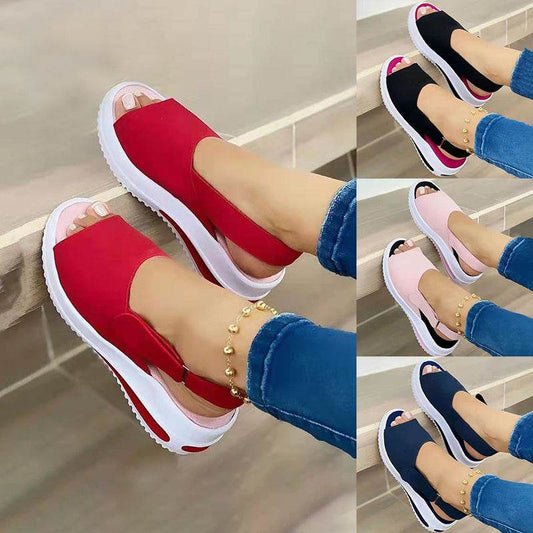
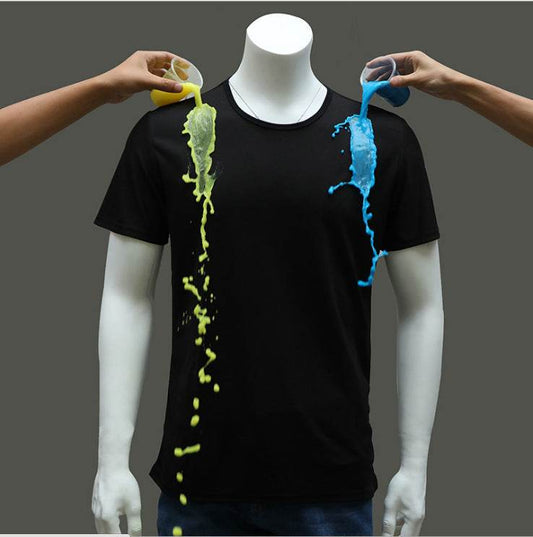
For value shoppers, apparel essentials are the pieces you can wear on repeat: tees, hoodies, streetwear staples, simple accessories, and everyday jewelry.Sizing guidance matters more than hype. If you’re shopping fast, you need the page to help you avoid returns. A good store will set expectations around fit and mention common realities like slight color variation across screens.
Tools, auto accessories, and office supplies: the quiet essentials
Not every essential is exciting, but these categories often save you the most frustration.A small automotive accessory can make commuting cleaner or more comfortable. A basic tool or home improvement item can fix a problem before it becomes a bigger expense. Office and school supplies are the “I can’t believe I forgot this” items that derail productivity.
When these categories sit in the same store as your personal and home essentials, you stop making separate orders for small, easy needs.
The smart way to shop a one-stop store (and avoid overbuying)
One-stop shopping is convenient, but it can also tempt you into random add-ons. The goal isn’t a bigger cart - it’s a better cart.Start with a short mission: restock, replace, or upgrade. Then browse with a filter in mind: “Will I use this weekly?” If the answer is no, it’s probably a pass unless the deal is genuinely rare and the item is something you’ve already been meaning to buy.
Promotions can help, but they can also rush decisions. If you see a big seasonal sale, it’s worth focusing on items with predictable use: basics you’d buy anyway, plus a couple of practical upgrades. That’s how deal-hunters stay happy after the package arrives.
Where ProTrendyz fits if you want deals plus clarity
If you like the one-cart approach, ProTrendyz is built around it: multi-category shopping across electronics, fashion, home and kitchen, beauty and personal care, jewelry, automotive accessories, tools/home improvement, and office/school supplies, with frequent promo events (including seasonal sales up to 70% off) and an explicit “no hidden fees” positioning that keeps the price transparent.That combination matters when you’re shopping value-first. You’re not only looking for a discount - you’re looking for the confidence that the deal won’t change when you hit checkout.
When a one-stop shop is not the best move
It depends on what you’re buying.If you need a highly specialized item with technical requirements (a niche replacement part, professional-grade equipment, or a very specific brand match), a specialty retailer may still be the better choice. Also, if you’re shopping luxury where the brand experience is the point, a value-first one-stop store won’t be trying to play in that lane.
But for the majority of everyday categories - the “use it all the time” stuff - a one-stop shop wins when it saves time, keeps pricing simple, and makes add-ons feel logical rather than random.
A helpful way to think about it: if the item is meant to reduce friction in your day, the shopping experience should also reduce friction.